Coney Garth
Battery Energy Storage System
Knaresborough, England
Get to know the project
Coney Garth
Battery Energy Storage System (BESS)
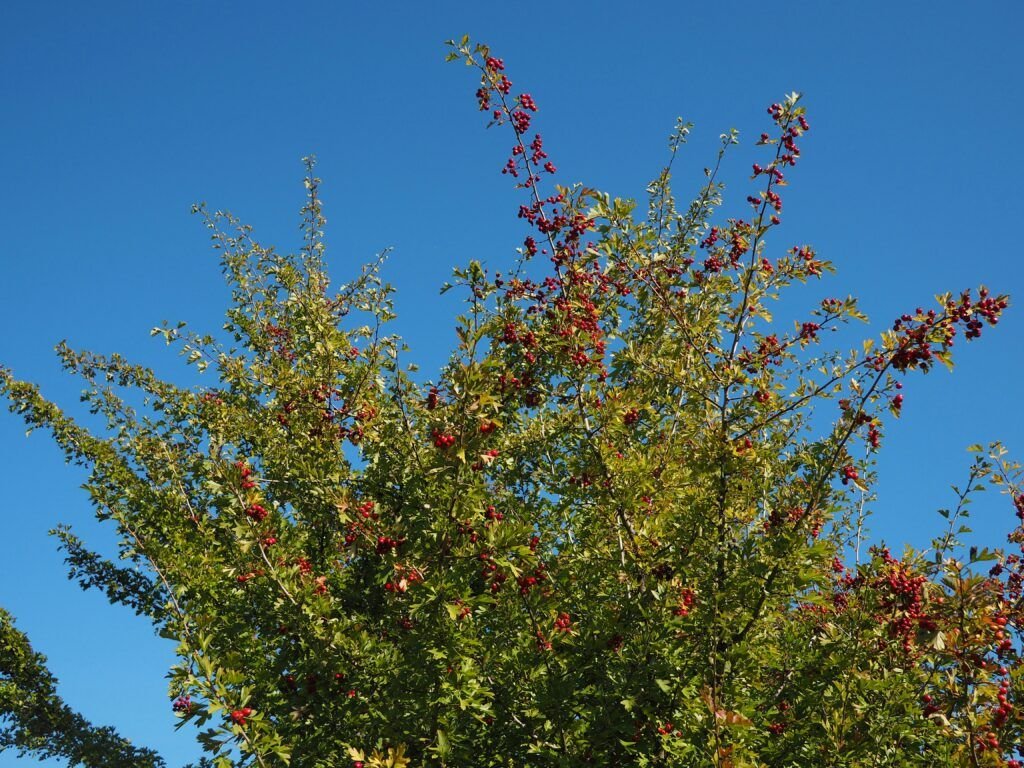
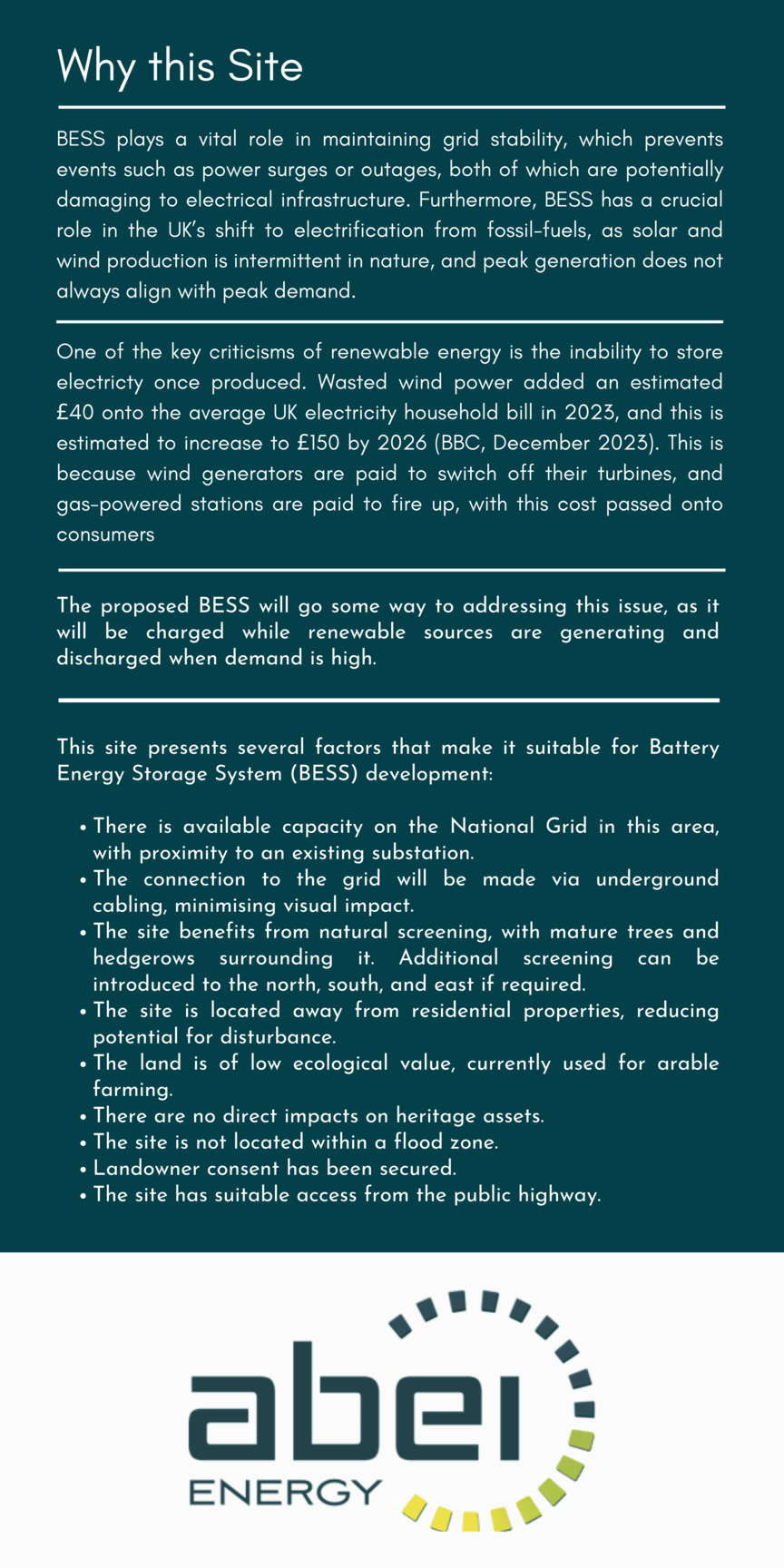
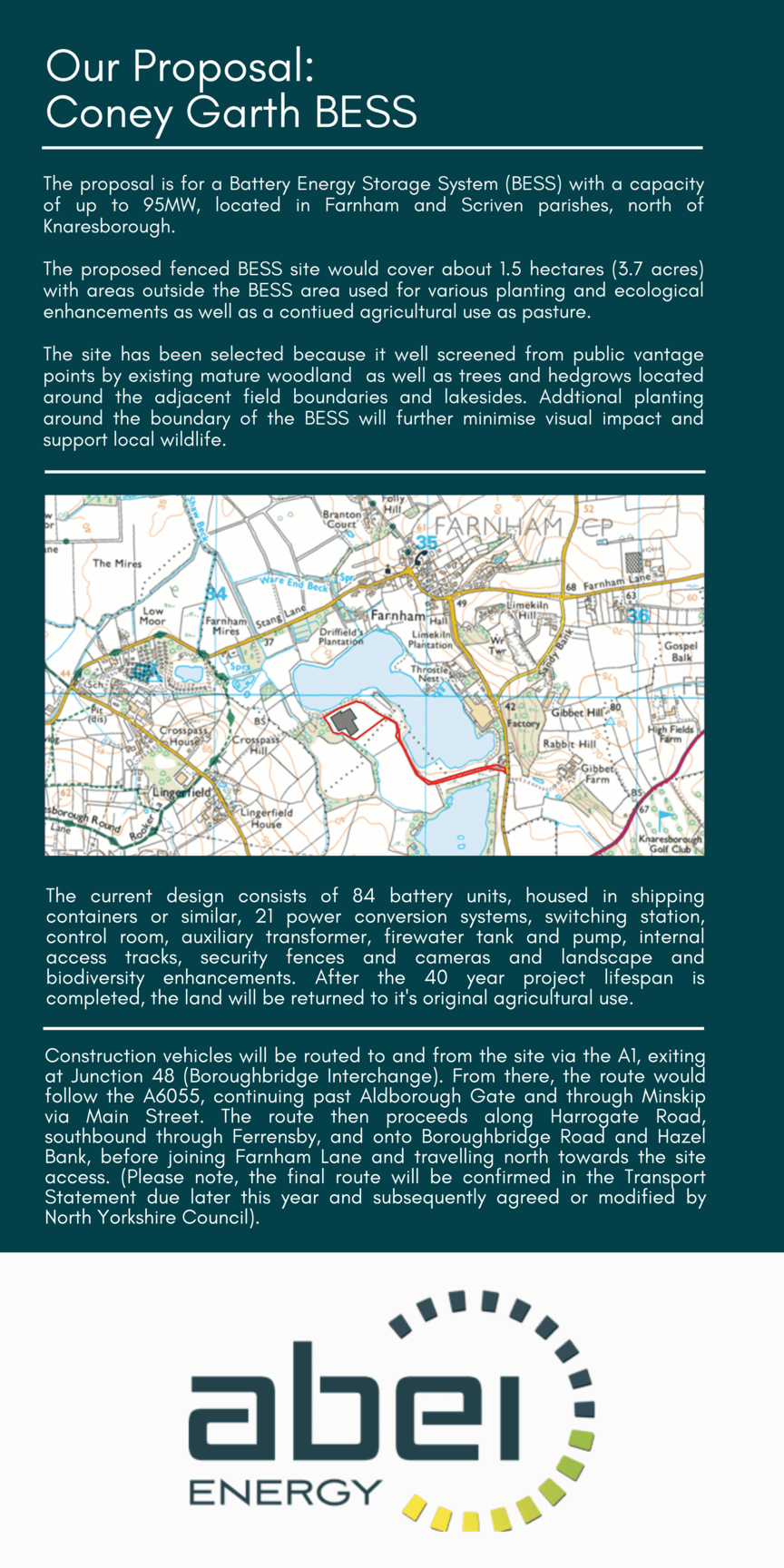
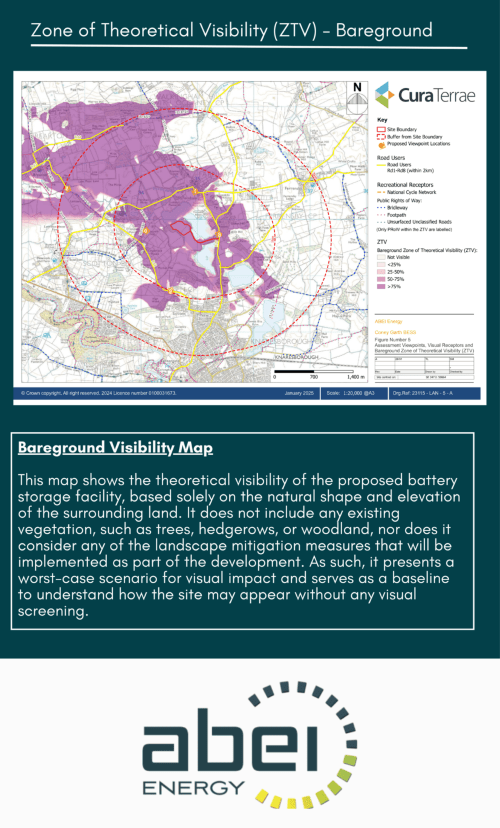
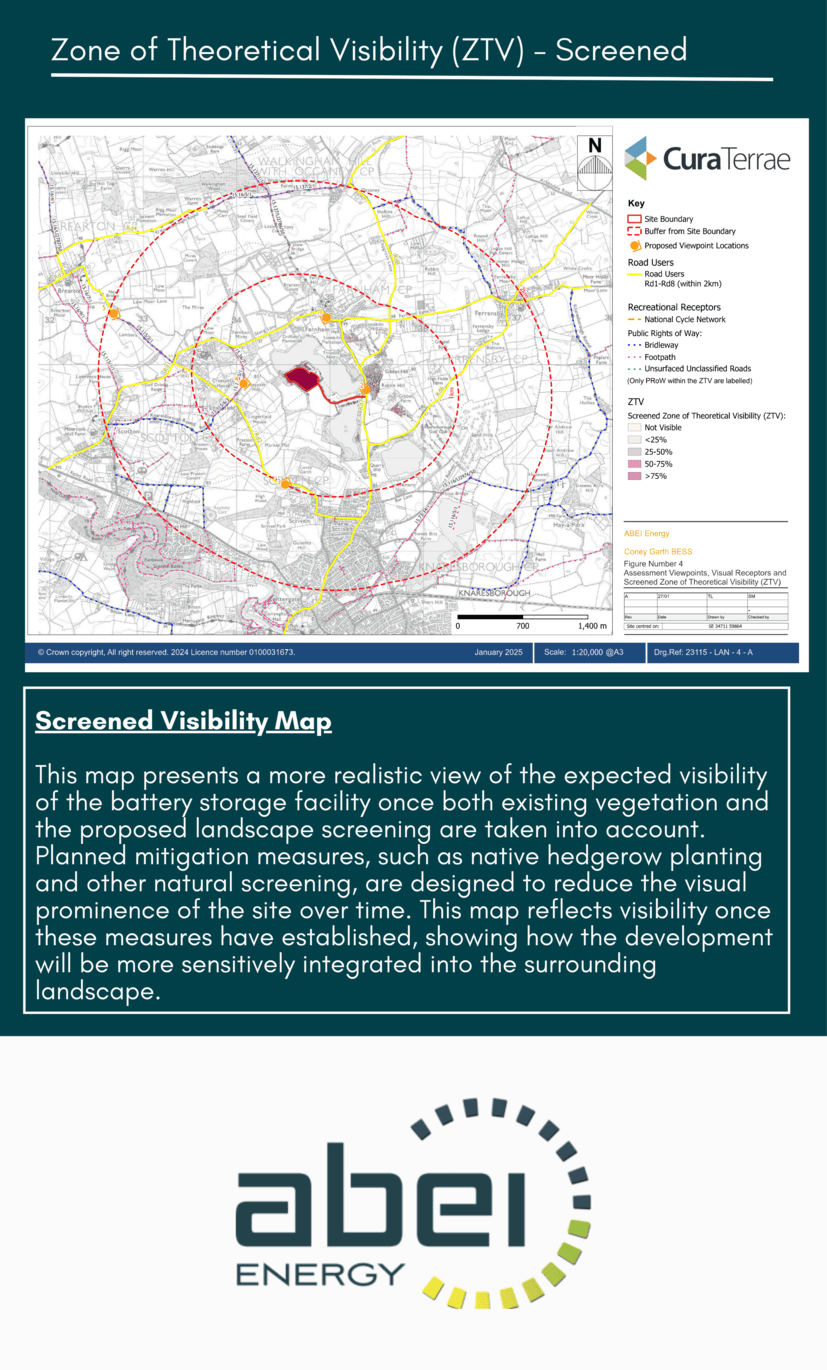
Coney Garth Battery Energy Storage System (BESS) is a proposed 95MW project, located in Farnham and Scriven parishes north of Knaresborough. The proposed development would be located on approximately four acres of land currently in arable agricultural use. The site has been selected because it well screened from public vantage points by existing mature woodland as well as trees and hedgerows located around the adjacent field boundaries and lakesides. Additional planting around the boundary of the BESS will further minimise visual impact and support local wildlife.
The application is now valid and live on the North Yorkshire Council planning portal and can be viewed here: Coney Garth Battery Energy Storage System – 25/02564/EIAMAJ
Project phases
Type of installation
BESS
Location
Knaresborough
England
Stoarge Capacity
95MW
Across 4 acres
Curtailment Reduction
Supporting Renewable Energy Generation
Through Energy Storage
Homes Powered
~ 140,000
During Peak Hours
Biodiversity Net Gain
10% BNG
This number will increase after our BNG report is released
Decomissioning
40 Year Lease
95% of materials recycled
Community Benefit
TBC
Across the lifetime of the project
About Us
We drive change
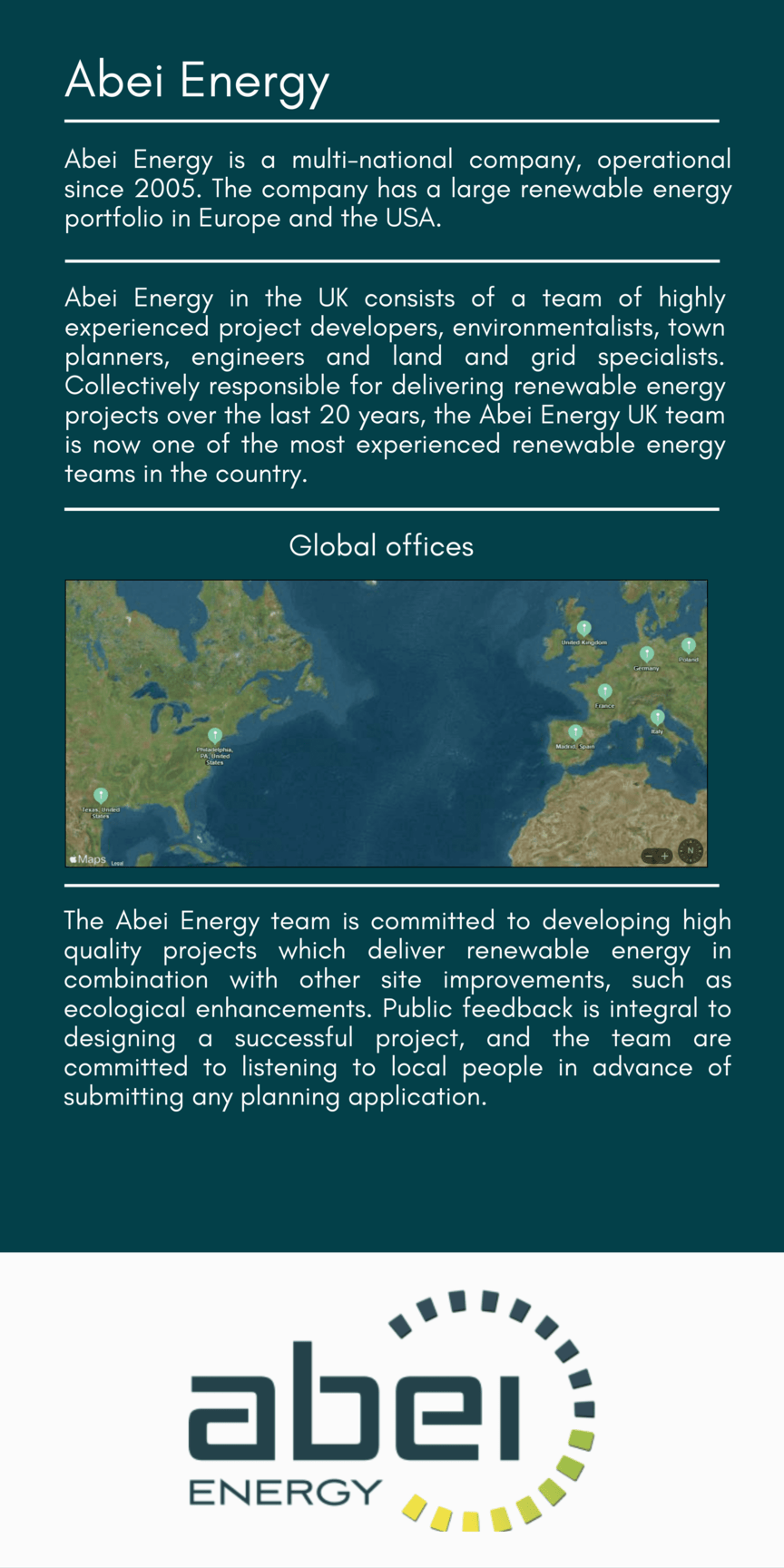
We are a team of passionate people who bring good energy to the world and drive positive changes for a more sustainable future. Our team accelerates the energy transition in 8 countries within Europe and America.
What makes us different?
We care about the quality of each process. That is why we manage the entire life cycle of energy projects, from their origin to their operation and maintenance, and the management of the resulting assets.
Public Consultation Boards


Please refer to the ‘Public Consultation’ folder in our document library to find PDF versions of our consultation boards.
Public Consultation
The public consultation has now concluded. If you have any questions please use the contact us form below.
Planning Application Submisson
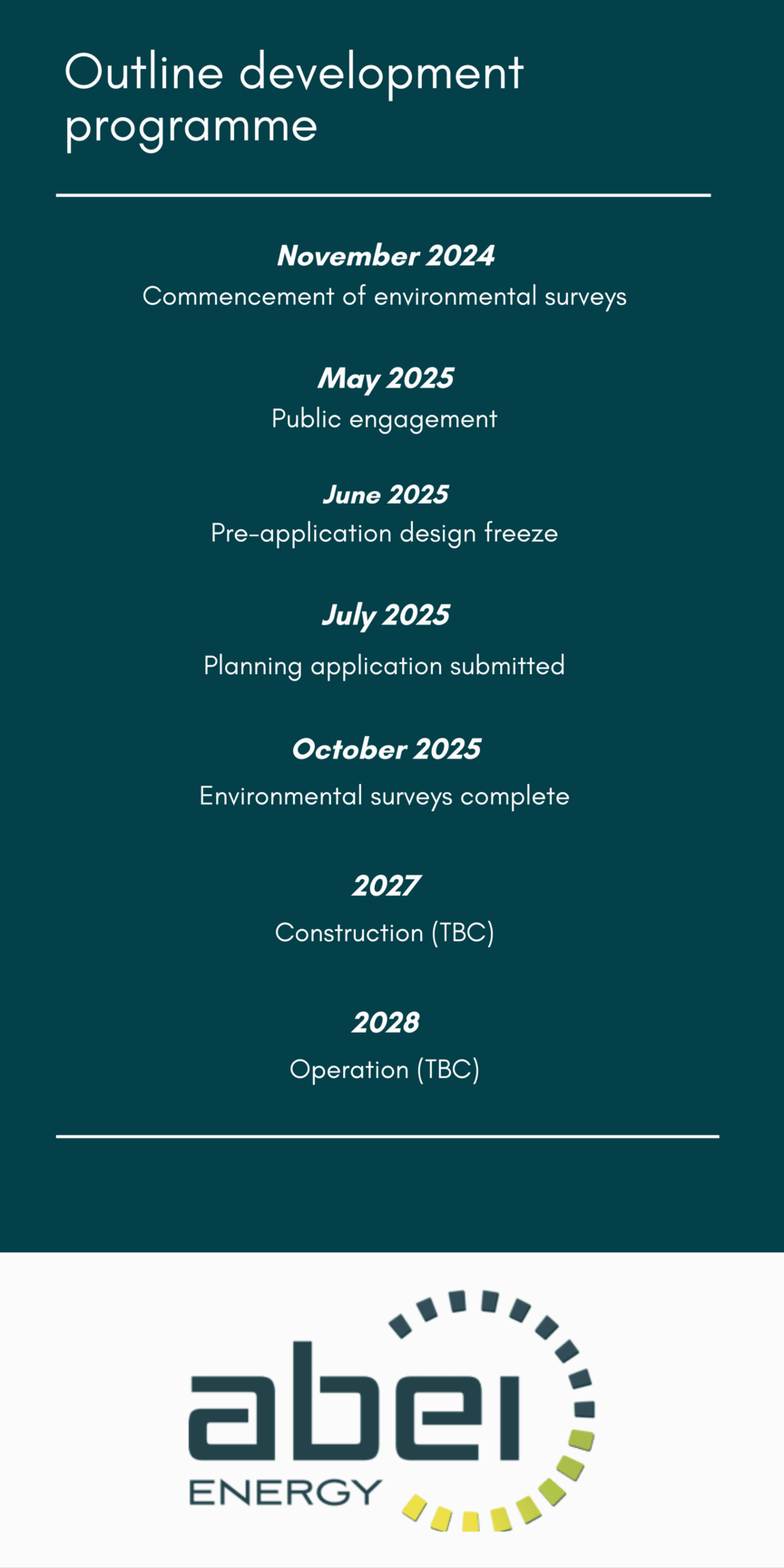
The Planning Application was submitted in July 2025 and is under consultation with North Yorkshire Council.
Planning Application Determination
Ongoing.
FAQs
What is a BESS and why is it needed?
A Battery Energy Storage System (BESS) stores energy generated from renewable sources like wind and solar. It allows electricity to be stored when there is an oversupply (e.g. on sunny or windy days) and then discharged when demand is high. BESS improves grid reliability by helping to balance supply and demand, support grid stability during frequency disruptions, and reduce the risk of blackouts. As coal and gas generation are phased out, BESS plays a crucial role in supporting a low-carbon, renewable-powered energy system.
What is involved in designing a BESS?
Designing a BESS involves a wide range of considerations, including:
Proximity and connectivity to the grid
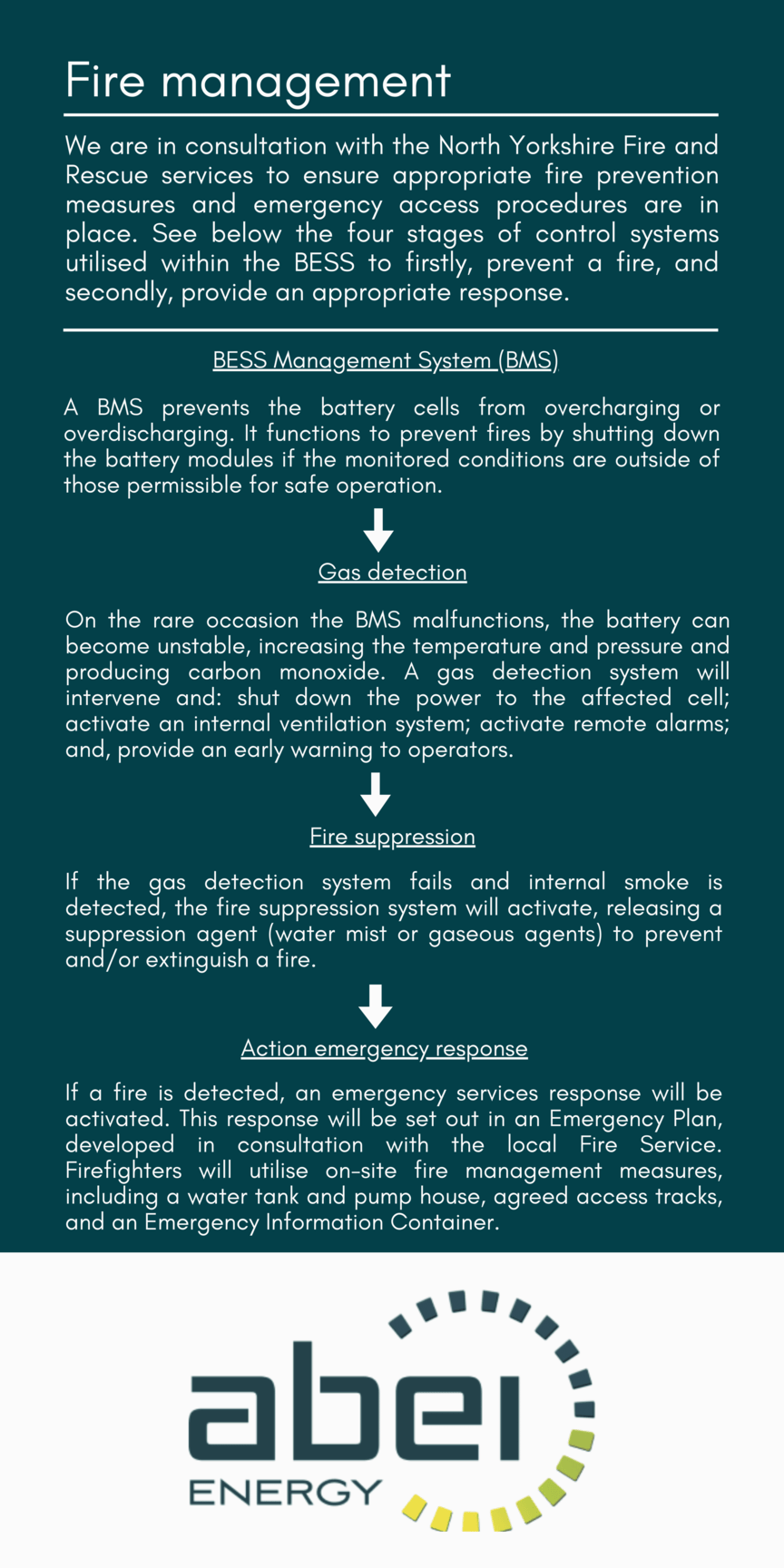
Fire safety and overall safety standards
Compliance with relevant standards, guidelines, and legislation
Practicality of construction (constructability)
Potential environmental, residential, and heritage impacts
Operations and maintenance requirements
Project costs
What environmental studies are carried out?
Environmental constraints are identified early in the design process to help minimise impact. Detailed assessments are undertaken by specialists and typically include:
Biodiversity
Cultural heritage
Noise
Traffic
Landscape and visual impacts
Hydrology and flood risk
These studies support the planning approvals process and ensure that potential impacts are properly mitigated.
Where is the lithium for the batteries sourced and built?
Lithium is mined globally, including in South America, Africa, and Australia. The UK signed a Free Trade Agreement with Australia in December 2021, and Australia is currently a key lithium supplier. Although importing lithium has environmental costs, lithium can be infinitely recycled without losing performance. In June 2023, it was also announced that lithium mining would begin in Cornwall, which could eventually meet around two-thirds of UK battery demand. Currently, most batteries are imported. However, the UK Government has committed to developing domestic battery production using UK-mined lithium. Once operational, these battery factories will significantly reduce the carbon footprint associated with battery manufacturing and transport. In the short term, some imports will still be necessary to meet demand, but UK-based production is expected to improve sustainability in the long run.
What can be recycled from a BESS?
Decommissioning of BESS facilities follows strict regulations to ensure safe disposal and recycling. The industry is working towards circular economy goals. Components that can typically be recycled include:
Concrete bases: Crushed and reused in other construction projects
Fencing: Removed for reuse or metal recycled
Electrical equipment: Reused or dismantled for parts
Batteries: Metals like lithium, copper, and nickel are valuable and recyclable
Some plastic materials are currently harder to recycle, but the recycling industry is advancing rapidly. Companies like Veolia are developing more efficient methods to recycle battery components.
What should I expect during construction?
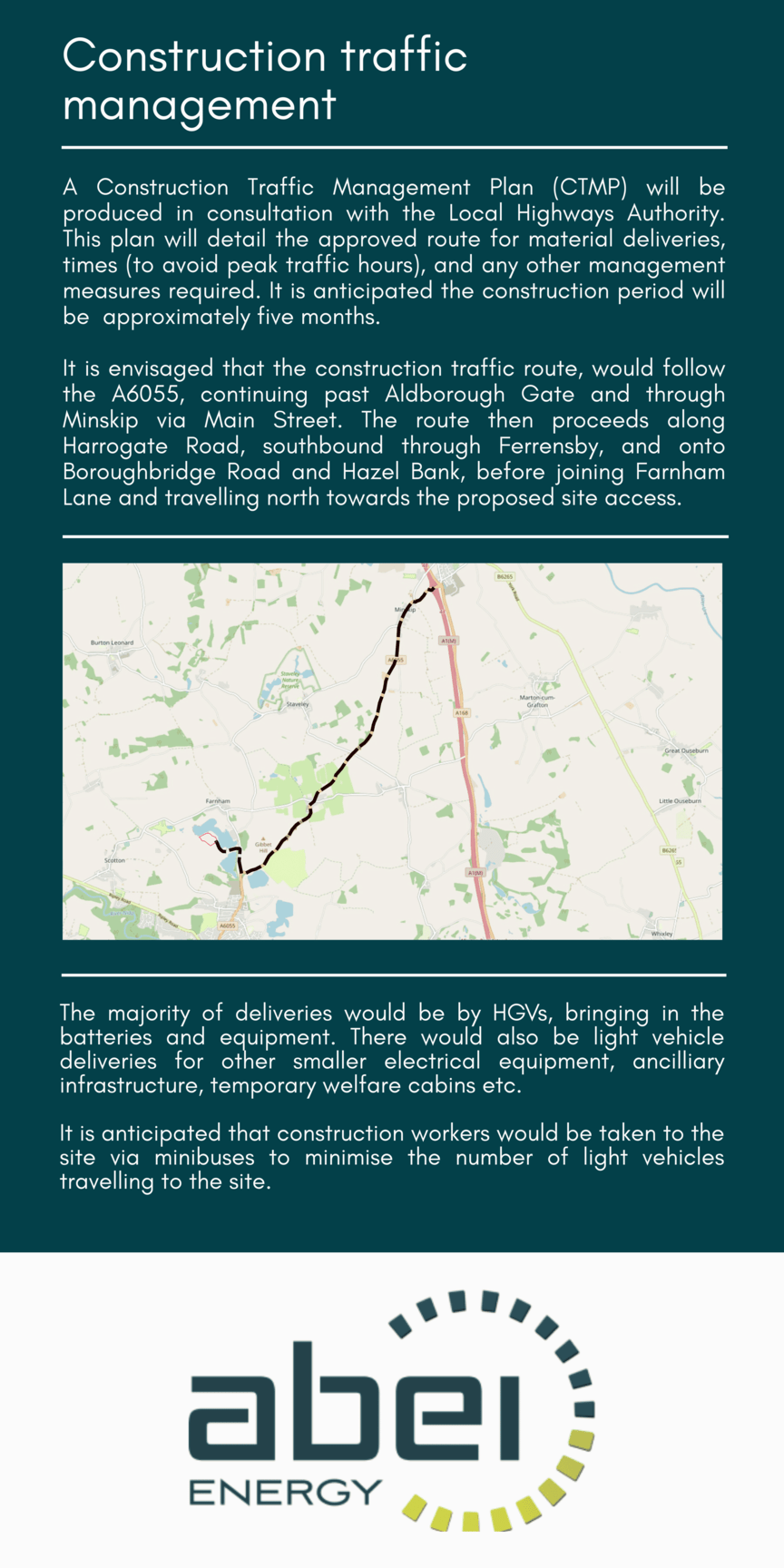
Most vehicle movements will occur during the construction phase. A Traffic Management Plan (TMP), available under documents.
We Want To Hear From You
Contact Us
Do you want to know more about the Coney Garth site?
We would love to hear from you. Fill out the form and we will get back to you as soon as possible. Whether it is a question about our process, a suggestion or you simply want more information, we are here to help.
Our team is ready to provide you with the best service and answer all your questions. Do not hesitate to write to us, together we promote a more sustainable future!

Address Abei Energy
Origin Workspace, 40 Berkeley Square, Bristol, United Kingdom, BS8 1HP

developmentuk@abeienergy.com